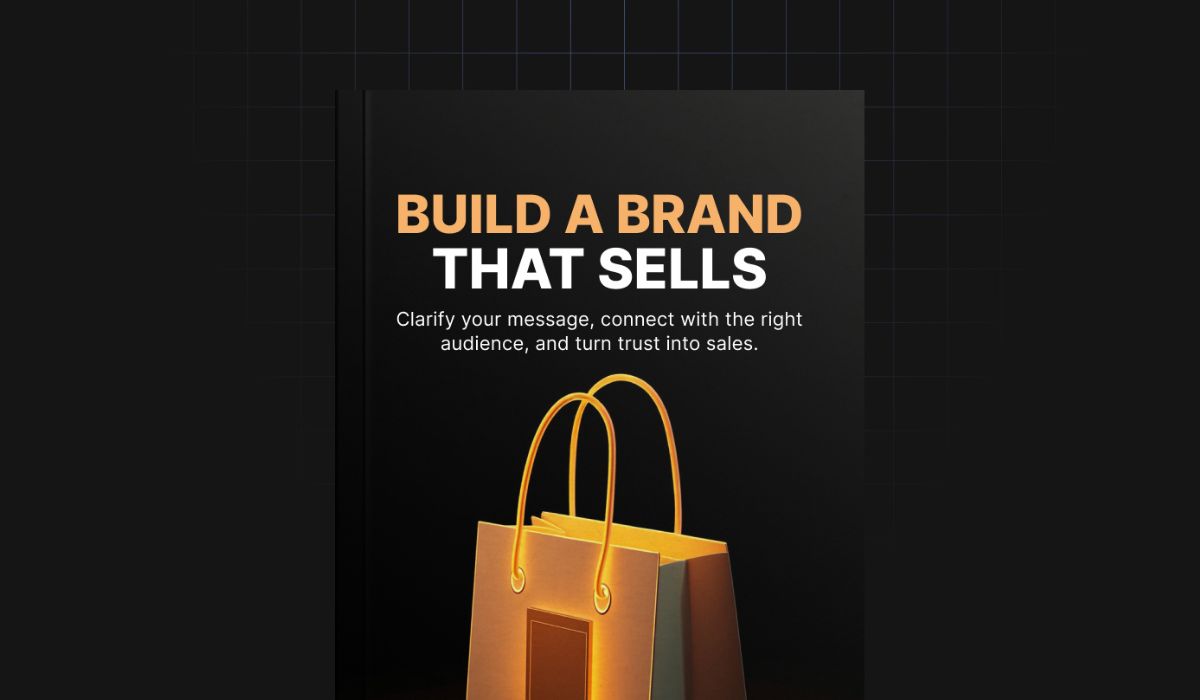

Having a great product is no longer enough to guarantee success. Consumers are overwhelmed with choices, and the only way to cut through the noise is to move beyond mere marketing and focus on identity. To create a sustainable business, you must build a brand that sells. A true brand is not just a logo or a color palette; it is the emotional connection and the promise of value that you deliver to your customers at every single touchpoint.
This guide explores the foundational frameworks found in our latest ebook, providing you with a step-by-step roadmap to transform your business into a high-trust growth engine.
Start with the Core: Defining Your Brand Identity
Before you can expect an audience to buy from you, you must understand who you are. The “Core” phase is where you define your mission, purpose, and values. Specifically, your mission should answer why you exist beyond making a profit. When you clarify these elements, you create a North Star that guides every business decision you make.
Furthermore, you need to develop a unique positioning statement. This statement defines exactly how you are different from your competitors. If you try to appeal to everyone, you end up appealing to no one. Instead, focus on a specific niche where your brand values resonate most deeply.
Look the Part: Building a Unified Visual Identity
Consistency is the bedrock of trust. If your website looks professional but your social media looks amateur, you create “brand friction” that drives customers away. To build a brand that sells, you must maintain a unified visual identity across all platforms.
- Typography and Color: Choose a palette that reflects your brand personality. For example, bold primary colors suggest energy and action, while muted earth tones suggest reliability and calm.
- Distinctive Brand Voice: How do you sound? Are you authoritative and professional, or witty and relatable? Developing a consistent voice ensures that your audience recognizes your content even if they don’t see your logo.
Speak to the Right People: Message Strategy
Once your identity is set, you must master the art of communication. Many creators make the mistake of talking about themselves. However, a brand that sells focuses entirely on the customer’s journey. You must find your “Audience Sweet Spot”—the intersection of what you are great at and what your audience desperately needs.
Consequently, your messaging strategy should revolve around emotional connections. People buy based on emotion and justify with logic. By mapping your message strategy to the specific pain points and desires of your audience, you transform your brand from a “vendor” into a “trusted advisor.”
Show Up Where It Counts: Magnetic Content
Visibility is the next step. You do not need to be on every platform, but you must be excellent on the platforms where your audience lives. To build a brand that sells, you should focus on creating “Magnetic Content”—content that doesn’t just inform, but actually attracts and holds attention.
Specifically, your content should deliver a seamless experience. Whether a lead finds you via a blog post, a video, or an email, the level of quality and the core message must remain the same. This repetition builds the familiarity required for a customer to move from “browser” to “buyer.”
Turn Trust Into Transactions: The Value-First Funnel
The final and most crucial stage is the conversion. You have built the identity and the visibility; now you must make offers that feel inevitable. A brand that sells doesn’t use “pushy” sales tactics. Instead, it utilizes a value-first nurture funnel.
The Nurture Framework
- Strengthen Credibility: Use testimonials, case studies, and social proof to show that your solutions work.
- Design the Funnel: Lead your audience through a logical progression. Start with free value, move to low-cost micro-products, and finally present your primary offer.
- Aligned Offers: Ensure your products are a direct reflection of your brand promise. When the offer feels like the “natural next step” for the customer, the sale happens almost automatically.
Your Brand as a Growth Engine
Sustainability comes from creating a “Brand Flywheel.” This is a system where satisfied customers become advocates, driving new leads back into your funnel. As you continue to build a brand that sells, you must measure more than just revenue. Look at brand sentiment, repeat purchase rates, and referral numbers.
Therefore, treat your brand as a living asset. Revisit your core values annually and optimize your touchpoints quarterly. By maintaining this level of intentionality, you ensure that your brand remains relevant and profitable for years to come.
Conclusion
Building a brand is a marathon, not a sprint. It requires the discipline to stay consistent even when growth feels slow. However, the reward is a business that stands the test of time and a community of customers who truly believe in your mission. Use the frameworks from Build a Brand That Sells to start your journey today, and watch as trust naturally transforms into sustainable growth.