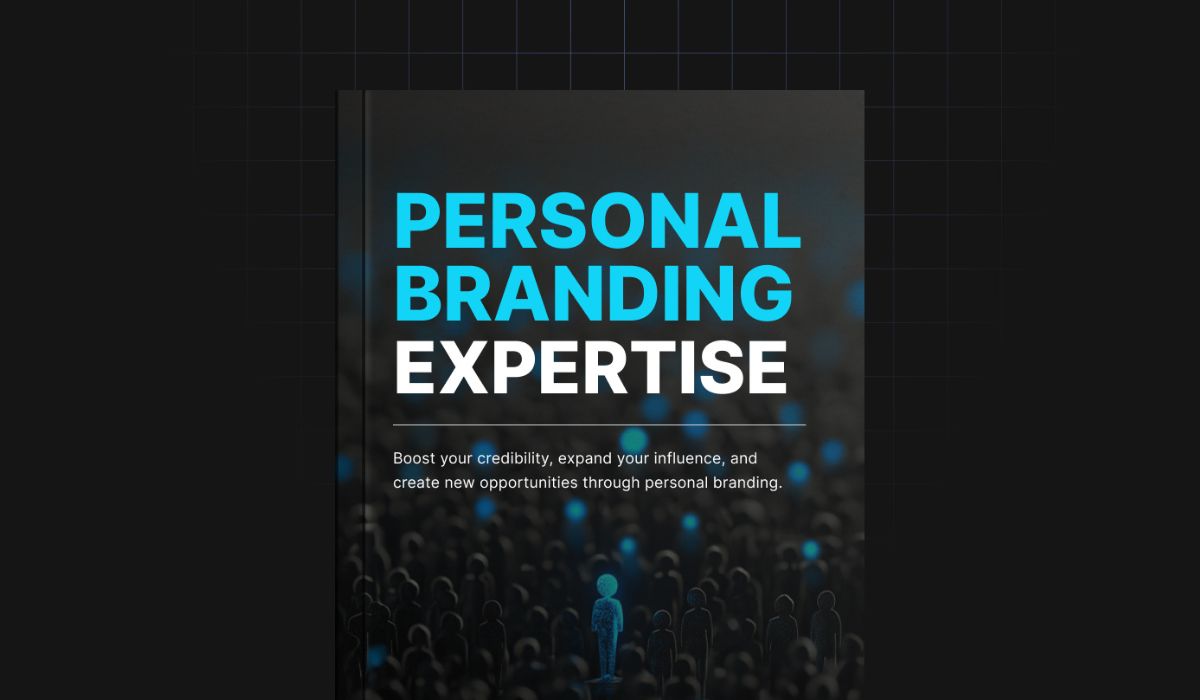

Your reputation is your most valuable currency. Whether you are an entrepreneur, a freelancer, or a corporate leader, the way the world perceives you directly dictates the opportunities you receive. Many professionals believe that their work should “speak for itself.” However, in a noisy digital economy, you must take control of the narrative by developing true personal branding expertise.
A powerful personal brand is not about self-promotion; it is about creating a clear value promise and delivering on it consistently. This guide explores the strategic frameworks found in our latest ebook to help you amplify your message, earn trust, and build a lasting legacy in your industry.
The Foundation: Why Personal Brand is Your Competitive Edge
Before you begin posting content, you must understand the “why” behind your brand. Personal branding is the process of intentional identity management. Specifically, it allows you to differentiate yourself in a crowded market. When two people have the same technical skills, the one with the higher perceived authority always wins the contract or the promotion.
Furthermore, a strong brand acts as a “trust shortcut.” In a world where people are skeptical of faceless corporations, they are drawn to individuals who stand for something. Consequently, by developing personal branding expertise, you turn your name into a synonymous term for quality and reliability.
Crafting Your Unique Value Proposition (UVP)
The core of your brand is your UVP. This is the clear statement that explains exactly who you help, what problem you solve, and how you do it differently than everyone else. Specifically, you must look at the intersection of your core strengths and your audience’s deepest needs.
Here is the best part: your UVP doesn’t have to be complex. It just has to be true. To find yours, ask yourself:
- What is my “Superpower”? (The one thing people always ask for your help with).
- Who is my Ideal Audience? (The specific group of people who benefit most from that superpower).
- What is the Transformation? (The result they get after working with or learning from you).
Therefore, your UVP becomes the filter for everything you do. If a project or a post doesn’t align with this value promise, it doesn’t belong in your brand.
Content Strategy for Thought Leadership
Once your foundation is set, you must communicate your expertise. This is where many professionals struggle, fearing they will sound arrogant. However, thought leadership is about service, not ego. To establish personal branding expertise, your content must educate, inspire, or solve problems.
Specifically, you should focus on “High-Value Pillars”:
- Educational Content: Break down complex industry topics into simple, actionable steps.
- Opinion Pieces: Share your unique perspective on industry trends. Don’t be afraid to be a bit “counter-cultural” if it aligns with your values.
- Behind-the-Scenes: Show the process and the failures, not just the highlights. This builds the authenticity that today’s audience craves.
Consequently, by showing up consistently across the right platforms, you stay “top of mind” for your target audience.
The Power of Social Proof and Networking
You are who people say you are. While you control the message, your audience provides the validation. To scale your personal branding expertise, you must prioritize building credibility through social proof. This includes testimonials, case studies, and endorsements from other leaders in your field.
Furthermore, networking is not about “collecting cards”; it is about building a powerful ecosystem of trust. Every person in your network is a potential brand advocate. Specifically, focus on how you can add value to others first. When you help someone else succeed, they become naturally inclined to support your brand in return.
Sustaining and Evolving Your Brand
A personal brand is not a “set it and forget it” project. It is a living asset that must grow as you do. Therefore, you should conduct a “Brand Audit” every six months. Check your social profiles, your website, and your messaging to ensure they still reflect your current level of expertise and goals.
However, remember to stay true to your core values. While your tactics might change, your integrity should remain constant. By staying adaptable and continuously investing in your professional development, you ensure that your personal brand remains relevant and influential for decades.
10-Minute Action Plan
- Define Your One-Sentence UVP: Use the formula: “I help [Target Audience] achieve [Result] through [My Method].”
- Update Your Bio: Ensure your LinkedIn and social media bios clearly state your UVP within the first 10 words.
- Draft One “Insight” Post: Share one lesson you’ve learned in the last week that could help someone else in your industry.
Frequently Asked Questions (FAQ)
Q: How long does it take to see results from personal branding? A: Personal branding is a long-term play. While you might see small wins (like more profile views) in a few weeks, true authority usually takes 6 to 12 months of consistent effort.
Q: Do I need a professional website to have a personal brand? A: While not strictly necessary at the start, a website is the only piece of digital real estate you truly own. It is highly recommended once you move past the initial setup phase.
Q: Can I have a personal brand if I’m an introvert? A: Absolutely. Some of the most influential personal brands belong to introverts. You don’t have to be “loud”; you just have to be valuable and consistent.